
When Pollution Goes Ignored
A look at local pollution problems; plus, a PIC Community Meeting announcement
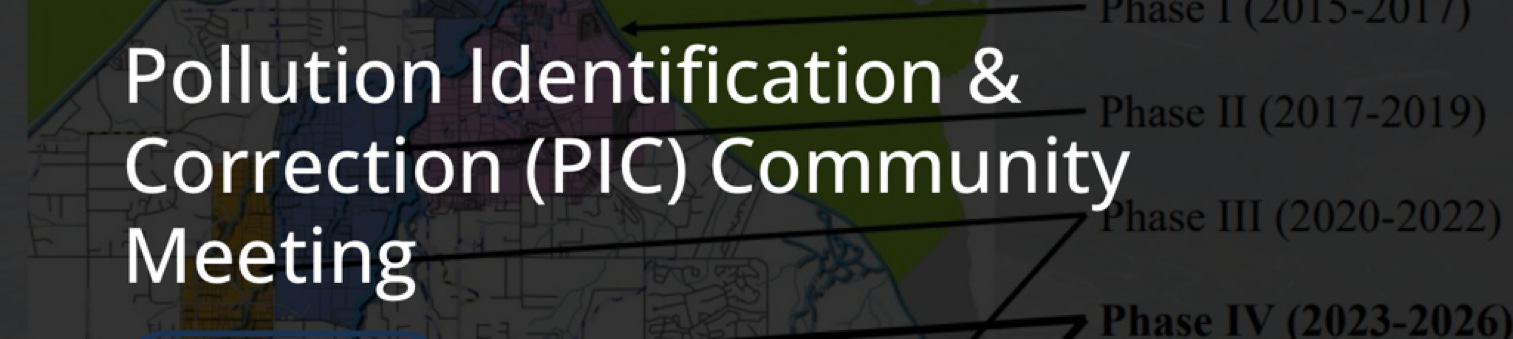
Text from Clallam County Newsflash:
What: PIC open house with project partners Clallam County Environmental Health, Jamestown S’Klallam Tribe, Clallam Conservation District, and Streamkeepers of Clallam County
When: Thursday, April 23rd, 2026, from 5:30 to 7:00 PM
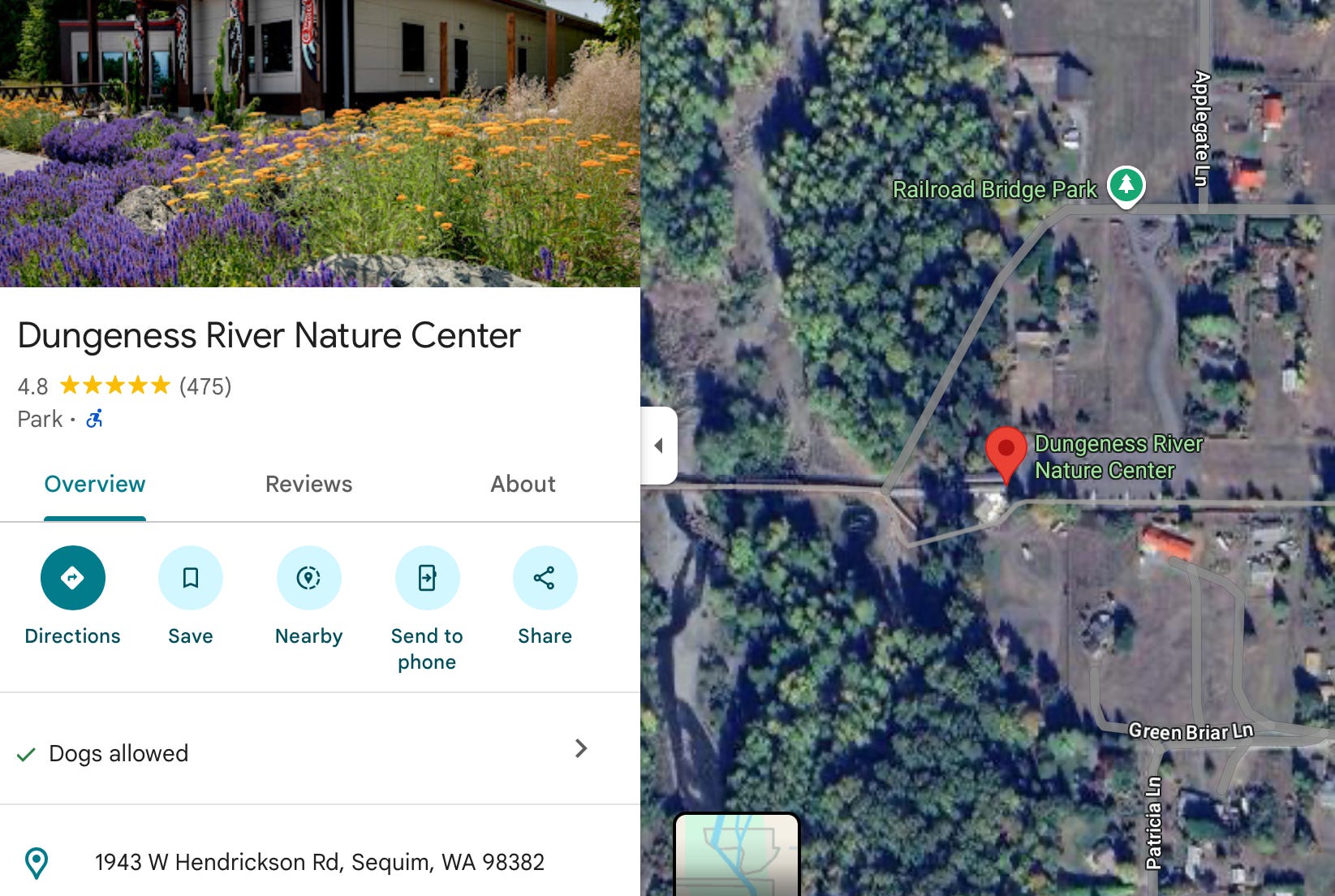
Where: Dungeness River Center (Rainshadow Hall), 1943 West Hendrickson Road, Sequim
Background: The PIC Program is a collaborative effort to improve water quality in Sequim and Dungeness Bays by identifying and addressing bacterial pollution sources, such as failing septic systems and agricultural runoff, through monitoring, education, and corrective actions.
What to Expect:
• Overview of water quality data, focusing on the Sequim Bay-Dungeness Clean Water District’s freshwater streams
• Information on onsite septic system maintenance, inspections, and available rebates for repairs or replacements
• Best management practices for farmers and livestock owners to reduce pollution, with technical assistance resources
• Opportunities for public involvement, including Q&A, volunteering, and accessing educational materials at partner tables
Visit the PIC Program webpage for more information.
From the PIC Webpage:
The Pollution Identification and Correction (PIC) Program is designed to improve the water quality of Sequim and Dungeness Bays by investigating sources of bacterial pollution.
The PIC Project is a joint effort between Clallam County Environmental Health, Clallam Conservation District, Jamestown S'Klallam Tribe, and Streamkeepers of Clallam County.
Of course, prevention is the best solution! We can keep small problems from becoming big ones by maintaining septic systems, cleaning up pet waste, using agricultural best management practices, and not feeding wildlife.
Clallam County Public Health Crisis:
The images below were posted in Clallam County Watchdog articles. Most of the images are of public lands. The solid waste and human waste (including a colostomy bag) is a very real and obvious threat to both public and environmental health.


Images from CCWD articles: The Cost of Lawlessness and A Moment No Parent Should Have to Explain.
Even though the photos were not taken in Sequim, the lands are in Clallam County. These are lands that fall under regulation by Clallam County Environmental Health, one of the project partners of PIC.
A Sequim Property in Crisis:
Not only is public property being overlooked for potential threats to environmental health, but so is a residential property in the Sequim area.


Images from CCWD article: Reclaiming a County
According to a CC Watchdog article by Jake Seegers, the property in the pictures is currently in limbo; the owner passed away, a young tenant claimed ownership, there is no will, the reverse mortgage is held by HUD and they will not take possession until the unforeseeable foreclosure.
In the meantime, neighbors are forced to deal with an occupied property that is an environmental threat. There is also an occupied RV on the property which is not properly connected to a septic system, as reported by people in the community:
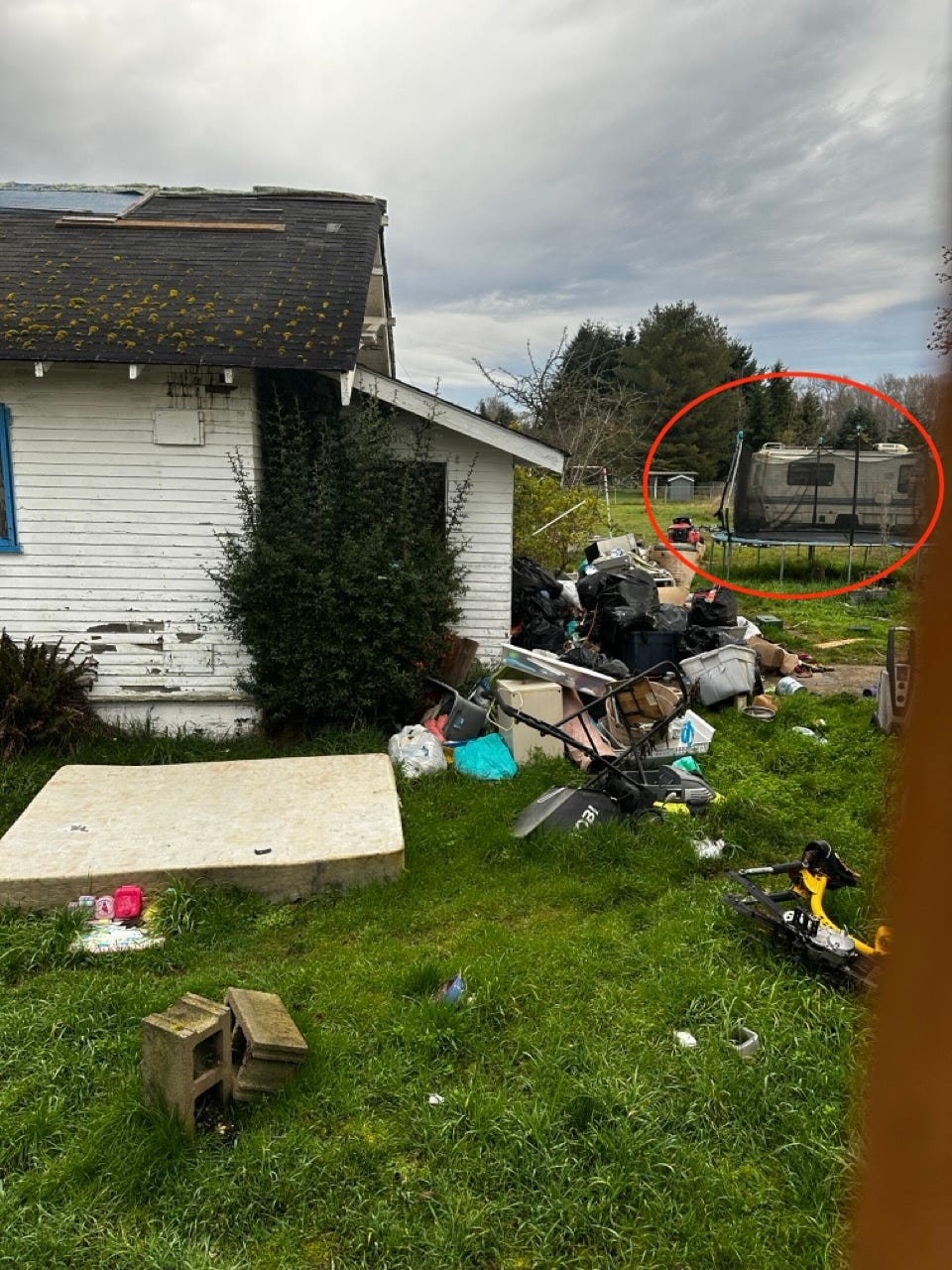
Since 2017 the sheriff’s office has responded to over 100 calls to the property for various reasons; even when arrests were made, the same people returned.
When it comes to an unconnected septic system, here is what the PIC Community Meeting information included:
Background: The PIC Program is a collaborative effort to improve water quality in Sequim and Dungeness Bays by identifying and addressing bacterial pollution sources, such as failing septic systems and agricultural runoff, through monitoring, education, and corrective actions.
While the Sequim property may not be near any water or bays, the property is in Sequim and is likely to have bacterial pollution due to an occupied RV not being properly connected to a septic system.
If a regulator agency like Clallam County Environmental Health, and other organizations such as Clallam Conservation District, Jamestown S’Klallam Tribe, and Streamkeepers of Clallam County, care as much about the environment as they claim, then it shouldn’t matter if the land is near water or not when it comes to addressing improper septic connections.
Environmental health hazards, such as the ones shown in the images, impact people and the land. It is a disservice to the community, and the land, when environmental groups don’t step up to offer their expertise, knowledge, connections, and resources, to help make this region better and healthier for everyone.
Concluding Questions:
The PIC Community Meeting will include a question-and-answer opportunity for attendees.
When it comes to the blatant mismanagement of public lands and the environmental sabotage as evidenced in the photos, it is fair to ask:
is it happening anywhere else, either in Sequim or Clallam County, on public or private lands?
if it is happening, is it going unnoticed or unreported?
is it a health threat to the people, the land, and the water?
what is the regulatory agency Clallam County Environmental Health doing to address the pollution in the county?
what are the other entities that advocate for environmental health — Clallam Conservation District, Jamestown S’Klallam Tribe, and Streamkeepers of Clallam County — doing to address this growing crisis in their own county?
Click the Google Invite link to add the meeting information to your calendar:
These pictures are worth a thousand words, and one of those words is: "Hypocrisy."
Streamkeepers of Clallam County. First I’ve heard of this one. Hmm? After my letter to Puget Soundkeeper Alliance fell on deaf ear concerning pollution of Tumwater Creek, this may be assistance the county needs. Are they actively seeking pollution sites or just holding meetings once a month indoors? Are they involved in preservation of creeks and irrigation ditches or are they just meeting once a month indoors. Have they identified the environmental disaster at the Tumwater Creek Corridor or are they just meeting once a month indoors. Time to wake up Streamkeepers. We care about our waterways. We don’t need a Water Steward. Save the salmon.